
Travel Health Guide
Travel health is a critical part of every journey, whether you are traveling for business, leisure, or long-term stays. Preparing your body and mind before travel can prevent many common health issues and improve your overall experience.
This guide provides practical, evidence-based advice to help travelers stay healthy before, during, and after their trips.
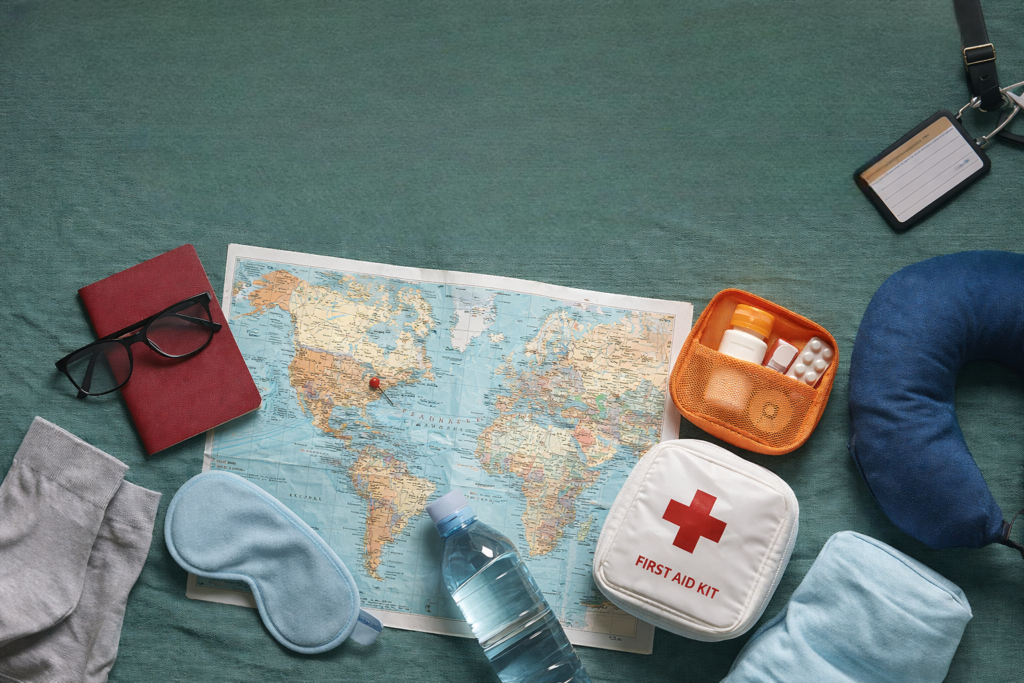
Why Travel Health Matters
Travel exposes the body to new environments, time zones, climates, and routines. Without proper preparation, travelers may experience fatigue, illness, dehydration, or worsening of existing health conditions. Understanding travel health helps reduce risks and ensures a safer, more comfortable journey.
Pre-Travel Health Preparation
Preparing for your trip is one of the most important steps to staying healthy while traveling. Simple planning can significantly reduce health risks and unexpected medical issues.
Before you travel, consider the following essentials:
- Check recommended vaccinations for your destination.
- Consult a healthcare provider if you have existing conditions.
- Research local health risks and medical facilities.
- Arrange comprehensive travel health insurance.
- Prepare a personal travel health kit.
Travel insurance is especially important, as it can cover emergency medical treatment, hospital visits, and medical evacuation if needed. Packing essential medications, first aid items, and important health documents ensures you are prepared for minor issues and emergencies during your journey.
Staying Healthy During Travel
Traveling can be exciting, but changes in climate, food, routines, and time zones can affect your health. Preparing ahead and following simple preventive habits helps reduce common travel issues like fatigue, dehydration, stomach discomfort, and minor infections. A few smart choices before and during your trip can make the difference between a stressful experience and a smooth, enjoyable journey.
- Stay hydrated by drinking safe, clean water regularly.
- Eat well-balanced meals and avoid unfamiliar food if hygiene is uncertain.
- Get enough sleep and manage jet lag with gradual schedule adjustments.
- Carry essential medications and a basic first-aid kit.
- Wash hands frequently or use alcohol-based hand sanitizer.
- Protect yourself from sun exposure with sunscreen and proper clothing.
- Keep travel insurance and emergency contacts easily accessible.

Travel insurance is especially important, as it can cover emergency medical treatment, hospital visits, and medical evacuation if needed. Packing essential medications, first aid items, and important health documents ensures you are prepared for minor issues and emergencies during your journey.
Managing Health Conditions While Traveling

Healthy Travel Habits
Traveling opens doors to new cultures, experiences, and perspectives—but it can also disrupt your health if you’re not prepared. Whether you’re a frequent flyer ….

Jet Lag
How to prevent jet lag naturally starts with shifting your sleep schedule a few days before travel, managing light exposure, and supporting your body with smart ….
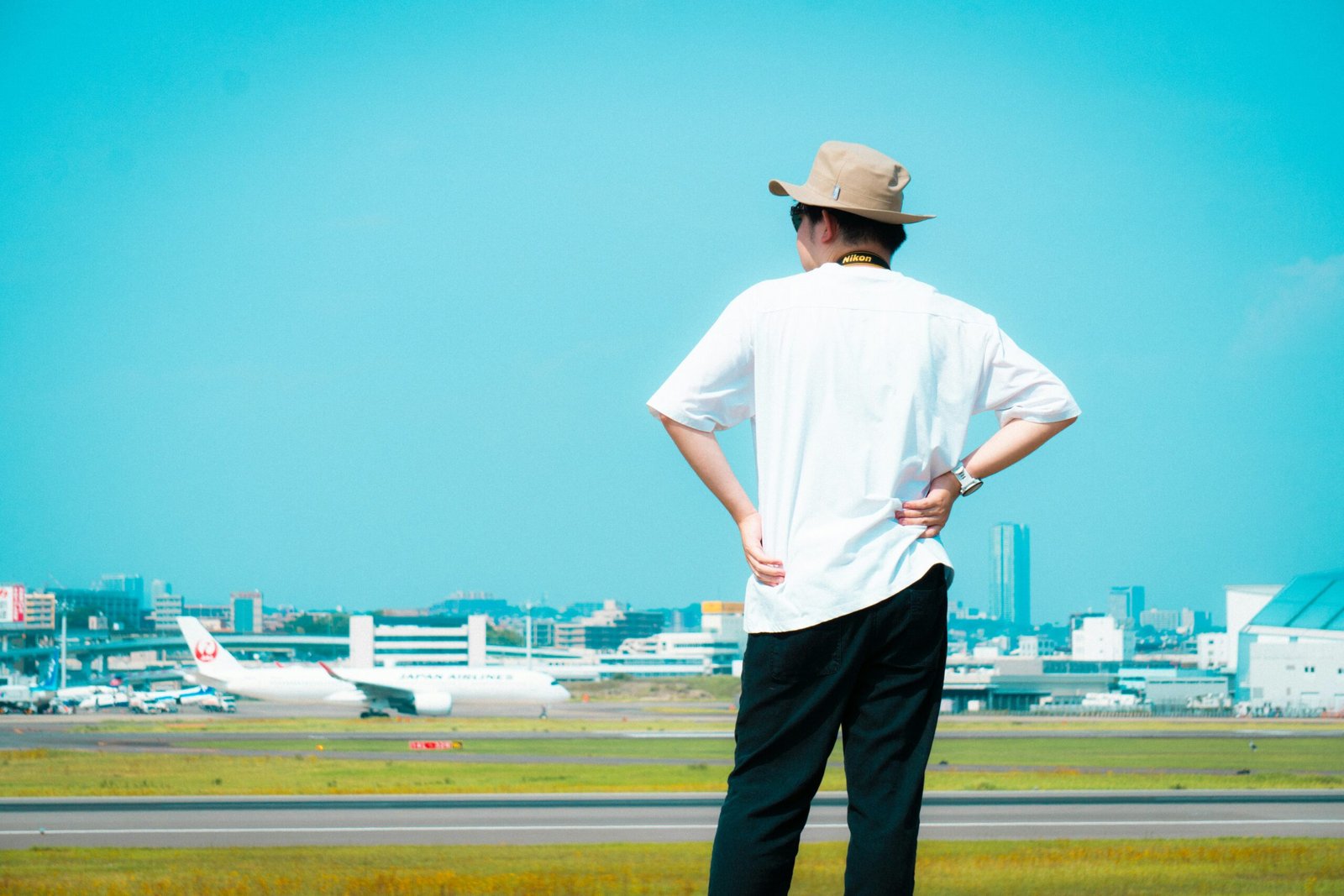
Stay Healthy During Long Flights
Long flights can be exhausting and uncomfortable if you’re not prepared. Spending hours in a seated position, breathing dry cabin air, and ….
Travel Health Tips by Destination
Health risks and precautions can vary greatly depending on where you travel. Climate, local diseases, food standards, and healthcare access all play a role in how you prepare. Understanding destination-specific health considerations helps you pack smarter, plan preventive measures, and respond quickly if issues arise during your trip.
Middle East & North Africa
- Stay hydrated due to hot climates
- Avoid outdoor activities during peak heat hours
- Use sun protection and light, breathable clothing
- Drink bottled or treated water
Europe
- Seasonal flu is common in winter—consider vaccination
- Follow food safety standards, especially with street food
- Carry travel insurance for high-quality but costly healthcare
Asia
- Be cautious with street food and untreated water
- Some regions may require vaccines (e.g., hepatitis, typhoid)
- Use insect repellent in tropical and rural areas
Africa
- Malaria prevention may be necessary in certain countries
- Only drink bottled water and avoid raw foods
- Ensure all routine and travel vaccines are up to date
North & South America
- Climate varies widely—prepare accordingly
- Watch for altitude sickness in mountainous regions
- Follow local health advisories, especially during outbreaks
When to Seek Medical Help
While many travel-related health issues are mild and resolve on their own, some symptoms require prompt medical attention. Knowing when to seek professional care can prevent complications and ensure your safety, especially when you are far from your usual healthcare system. Acting early is a key part of responsible travel health planning.
- High fever that lasts more than 24–48 hours.
- Severe or persistent diarrhea, especially with dehydration.
- Chest pain, difficulty breathing, or sudden dizziness.
- Unusual skin rashes, swelling, or signs of infection.
- Confusion, fainting, or loss of consciousness.
- Persistent vomiting or inability to keep fluids down.
- Symptoms following insect bites, animal scratches, or exposure to contaminated water.
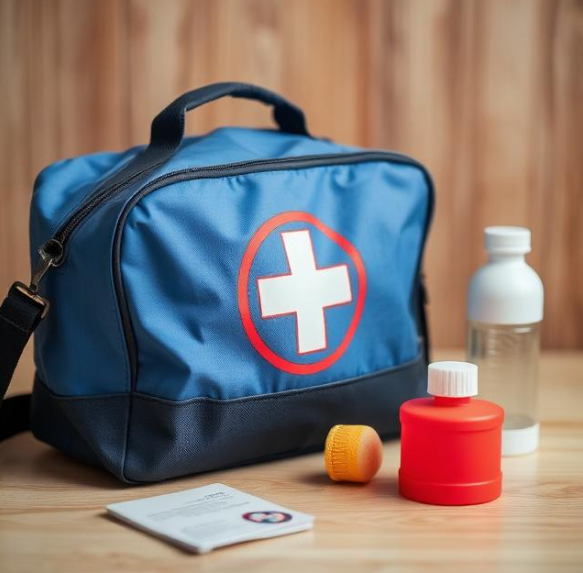
⚠️ Warning:
Seek medical help immediately if you experience any of the following symptoms during or after travel. Delaying care may lead to serious health complications.
If symptoms appear after returning home, inform your healthcare provider about your recent travel history, including destinations and activities.
Final Travel Health Advice
Staying healthy while traveling starts with preparation and awareness. By understanding potential health risks, planning ahead, and listening to your body, you can reduce preventable issues and travel with confidence. Simple steps—such as carrying essential medications, following hygiene practices, and staying informed about your destination—can make a significant difference in ensuring a safe and enjoyable trip.