
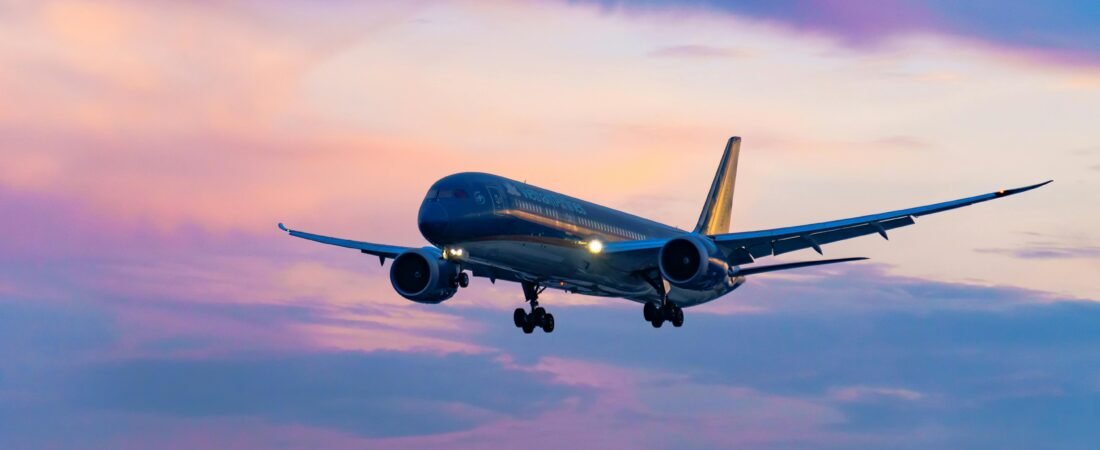
Long flights can take a serious toll on your body. From dehydration and muscle stiffness to jet lag and circulation problems, staying healthy while flying long distances requires preparation and smart habits.
Whether you’re traveling for business or leisure, these doctor-approved tips will help you arrive refreshed, energized, and healthy.
1. Stay Properly Hydrated
Airplane cabins have extremely low humidity levels, which leads to dehydration.
What to do:
- Drink at least 250 ml of water every hour
- Avoid excessive coffee and alcohol
- Bring a reusable water bottle
Pro tip: A filtered water bottle is ideal when traveling internationally.
2. Wear Compression Socks
Sitting for long hours slows blood circulation and increases the risk of swelling and blood clots.
Benefits of compression socks:
- Improve circulation
- Reduce leg swelling
- Prevent deep vein thrombosis (DVT)
3. Stretch Every 60–90 Minutes
Simple in-seat stretches and short walks reduce muscle stiffness and improve blood flow.
Easy movements:
- Ankle circles
- Shoulder rolls
- Standing aisle walks
4. Use a Neck Pillow for Proper Spine Support
A quality neck pillow keeps your cervical spine aligned, reducing neck pain and headaches.
Look for:
- Memory foam
- Ergonomic design
- Washable cover
5. Protect Your Immune System
Travel exposes you to bacteria and viruses.
Boost immunity by:
- Washing hands frequently
- Using alcohol-based sanitizer
- Taking vitamin C and zinc supplements
6. Avoid Heavy Meals Before and During the Flight
Large meals slow digestion and cause bloating.
Best foods:
- Lean protein
- Fruits
- Nuts
- Light salads
7. Prevent Jet Lag Naturally
Adjust your sleep schedule 2–3 days before departure.
During flight:
- Sleep based on destination time
- Avoid screens before sleep
- Use eye masks and earplugs
8. Stay Active After Landing
A 15–30 minute walk helps:
- Restart circulation
- Reduce stiffness
- Improve energy levels
9. Moisturize Skin and Eyes
Cabin air dries out your skin and eyes quickly.
Bring:
- Lip balm
- Face moisturizer
- Artificial tears
10. Use Noise-Canceling Headphones
Noise-canceling headphones are essential for travel by blocking disruptive sounds, reducing stress, and promoting better rest during flights or commutes. They enhance health by minimizing sensory overload and fatigue in noisy environments.
These headphones create a quiet bubble that cuts low-frequency engine noise and chatter, easing flight anxiety by up to 60% through lower sensory input and nervous system regulation. Travelers report calmer moods and less irritation, with active noise cancellation (ANC) outperforming earplugs for overall comfort.
ANC blocks turbulence-amplified distractions, helping light sleepers achieve deeper rest on long-haul flights and reducing post-travel exhaustion. They enable better focus for work or entertainment, turning journeys into restorative time rather than draining ordeals.
By allowing lower listening volumes, ANC protects hearing in loud settings like airports without added risk. It also improves concentration and immersion in relaxing audio, boosting mental clarity and well-being.
11. Choose the Right Seat
Choosing the right seat during travel significantly impacts health by reducing risks like blood clots, back strain, and infection exposure while improving comfort and sleep. Optimal seating promotes circulation, posture, and mobility on flights or long trips.
Seats with lumbar support and ample legroom reduce spinal pressure and back pain, affecting 30-37% of long-haul travelers. Over-wing positions provide the smoothest ride for less motion sickness and fatigue, especially on newer aircraft like the 787 or A350 with better air quality.
12. Carry Healthy Travel Snacks
Healthy snacks stabilize blood sugar and prevent fatigue.
Examples:
- Almonds
- Protein bars
- Dried fruit
13. Practice Deep Breathing
Deep breathing lowers anxiety and improves oxygen flow.It counters common travel stressors like flight anxiety, crowds, and delays by optimizing heart rate variability (HRV) for sustained calm lasting 2-4 hours. It reduces motion sickness symptoms through parasympathetic activation and lower respiration rates. Tech Itniques like diaphragmatic or 4-7-8 breathing also help with altitude sickness by improving oxygen saturation and ventilation efficiency at high altitudes.
14. Maintain Good Hygiene
Use disinfectant wipes to clean:
- Tray table
- Armrests
- Seat belt buckle
15. Use Travel Health Accessories
These items dramatically improve comfort and wellness:
- Neck pillows
- Compression socks
- Eye masks
- Hydration bottles
Final Thoughts
Staying healthy during long flights is not complicated — it simply requires awareness and preparation.
With these tips, you can arrive at your destination feeling energized instead of exhausted.
Frequently Asked Questions (FAQ)
Is it safe to sleep during long flights?
Yes, sleeping helps reduce fatigue and jet lag, especially when aligned with your destination’s time zone.
How much water should I drink?
At least 250 ml every hour.
Are compression socks really necessary?
They significantly reduce swelling and circulation problems — highly recommended.