
Travel Medical Kit Essentials

A well-prepared travel medical kit keeps minor problems from turning into trip-ending emergencies and saves time when healthcare is hard to access. Packing targeted essentials also helps your content rank for keywords like “travel health kit,” “travel first aid kit,” and “travel medical kit essentials.”

What is a travel medical kit?

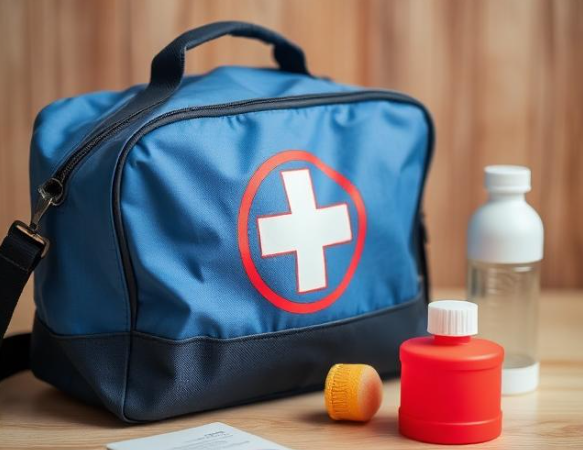
A travel medical kit is a compact collection of first-aid supplies, basic medicines, and personal health items you carry on trips to manage common illnesses and minor injuries. It should be tailored to your destination, trip length, planned activities, and your existing medical conditions.

Core first-aid essentials

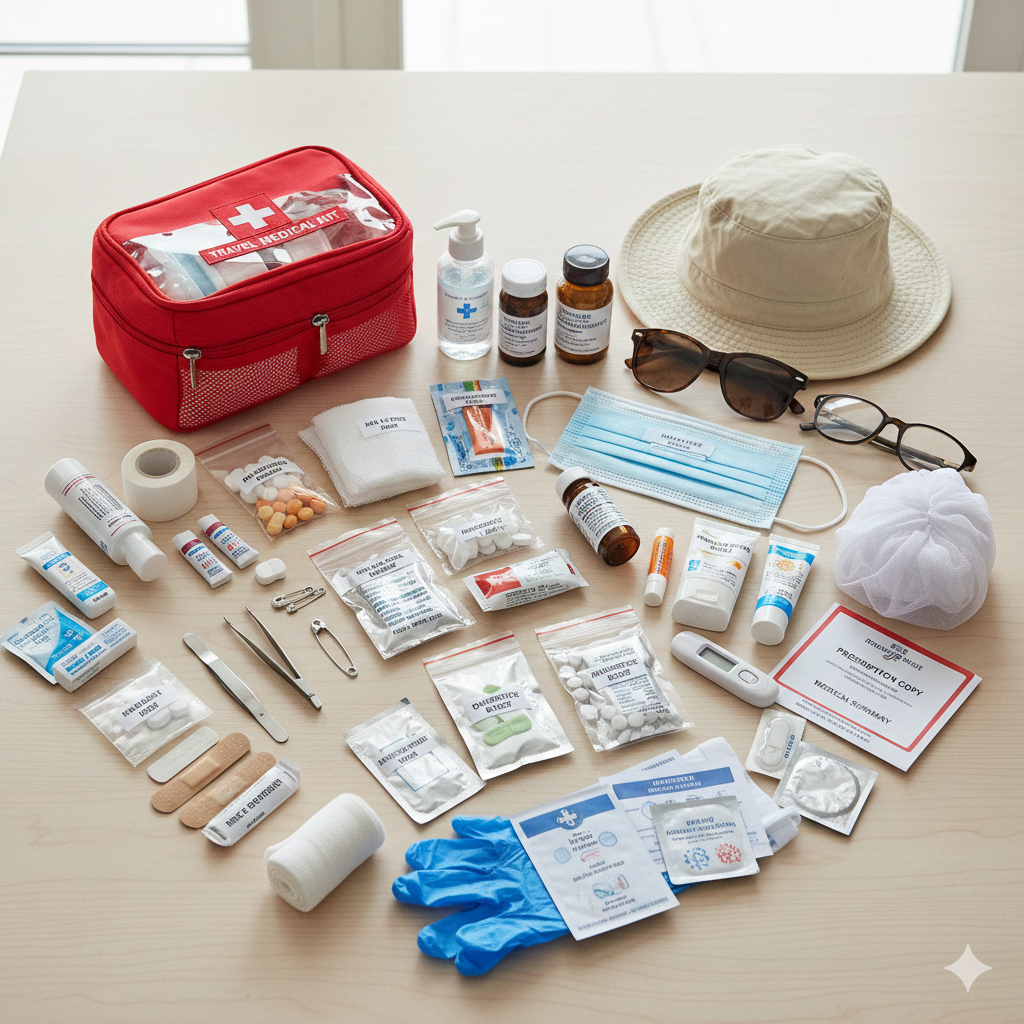
  • Adhesive bandages in assorted sizes for small cuts, blisters, and scrapes. Add sterile gauze pads, medical tape, and a crepe bandage for larger wounds or sprains.
  • Antiseptic wipes or solution (alcohol or iodine) plus an antibiotic or antiseptic ointment to clean and protect minor wounds.
  • Blister pads or moleskin to prevent and treat friction blisters, especially on walking or hiking trips.
  • Tweezers, small scissors, safety pins, and disposable gloves for safe and precise first-aid handling.

Essential medications to pack

  • Pain and fever relievers such as paracetamol/acetaminophen, ibuprofen, or aspirin (if appropriate for you). These help with headaches, muscle pain, and mild fevers during travel.
  • Anti-diarrheal medicine, oral rehydration salts, and an antacid to manage common digestive upsets on the road.
  • Antihistamine tablets and low-potency hydrocortisone cream for allergies, insect bites, or mild rashes.
  • Motion sickness tablets if you are prone to nausea on planes, boats, or buses. Consider a mild laxative as well for constipation related to routine or diet changes.
Travel Medical Kit Essentials,Core first-aid essentials, A well-prepared travel medical kit keeps minor problems from turning into trip-ending emergencies and saves time when healthcare is hard to access. Packing targeted essentials also helps your content rank for keywords like “travel health kit,” “travel first aid kit,” and “travel medical kit essentials.”
​

What is a travel medical kit?
A travel medical kit is a compact collection of first-aid supplies, basic medicines, and personal health items you carry on trips to manage common illnesses and minor injuries. It should be tailored to your destination, trip length, planned activities, and your existing medical conditions.
​

Core first-aid essentials
Adhesive bandages in assorted sizes for small cuts, blisters, and scrapes. Add sterile gauze pads, medical tape, and a crepe bandage for larger wounds or sprains.
​

Antiseptic wipes or solution (alcohol or iodine) plus an antibiotic or antiseptic ointment to clean and protect minor wounds.
​

Blister pads or moleskin to prevent and treat friction blisters, especially on walking or hiking trips.
​

Tweezers, small scissors, safety pins, and disposable gloves for safe and precise first-aid handling.
​

Essential medications to pack
Pain and fever relievers such as paracetamol/acetaminophen, ibuprofen, or aspirin (if appropriate for you). These help with headaches, muscle pain, and mild fevers during travel.
​

Anti-diarrheal medicine, oral rehydration salts, and an antacid to manage common digestive upsets on the road.
​

Antihistamine tablets and low-potency hydrocortisone cream for allergies, insect bites, or mild rashes.
​

Motion sickness tablets if you are prone to nausea on planes, boats, or buses. Consider a mild laxative as well for constipation related to routine or diet changes.
​

Infection, hygiene, and sun protection
Alcohol-based hand sanitizer, antiseptic wipes, and a few high-quality masks reduce the risk of picking up infections while traveling. These are especially useful in crowded airports, buses, and trains.
​

Broad-spectrum sunscreen (SPF 30+), lip balm with SPF, sunglasses, and a hat protect skin and eyes from UV damage. Insect repellent with DEET or picaridin and, where needed, a mosquito net help prevent bites and mosquito-borne diseases.
​

Personal prescriptions and special items
Take all regular prescription medicines in original labeled containers, and pack extra in case of delays. Include a copy of prescriptions and a brief medical summary if you have chronic conditions.
​

If you use needles, syringes, or other specialized equipment, carry enough for the entire trip plus a note or certificate from your healthcare provider explaining their medical need.
​

Pack a spare pair of glasses or contact lenses, contact solution, and lubricating eye drops to prevent discomfort in dry airplane cabins.
​

Tools and extras that are easy to forget
Digital thermometer to check for fever and monitor infections early.
​

Small first-aid guide or card that reminds you how to treat common injuries and when to seek urgent care.
​

Water purification tablets or a compact filter if you are traveling to areas with uncertain water quality. Condoms and personal contraceptives are also recommended in many travel health checklists.
​

How to organize and pack your kit
Use a compact, clearly labeled pouch or box with internal pockets so items are easy to find during stressful moments. Keep medicines in waterproof bags, and store critical items like prescriptions in your carry-on, not checked luggage.
​

Check expiration dates before every trip and restock bandages, disinfectants, and key medications regularly.

Infection, hygiene, and sun protection

  • Alcohol-based hand sanitizer, antiseptic wipes, and a few high-quality masks reduce the risk of picking up infections while traveling. These are especially useful in crowded airports, buses, and trains.
  • Broad-spectrum sunscreen (SPF 30+), lip balm with SPF, sunglasses, and a hat protect skin and eyes from UV damage. Insect repellent with DEET or picaridin and, where needed, a mosquito net help prevent bites and mosquito-borne diseases.

Personal prescriptions and special items

  • Take all regular prescription medicines in original labeled containers, and pack extra in case of delays. Include a copy of prescriptions and a brief medical summary if you have chronic conditions.
  • If you use needles, syringes, or other specialized equipment, carry enough for the entire trip plus a note or certificate from your healthcare provider explaining their medical need.
  • Pack a spare pair of glasses or contact lenses, contact solution, and lubricating eye drops to prevent discomfort in dry airplane cabins.

Tools and extras that are easy to forget

  • Digital thermometer to check for fever and monitor infections early.
  • Small first-aid guide or card that reminds you how to treat common injuries and when to seek urgent care.
  • Water purification tablets or a compact filter if you are traveling to areas with uncertain water quality. Condoms and personal contraceptives are also recommended in many travel health checklists.

How to organize and pack your kit

  • Use a compact, clearly labeled pouch or box with internal pockets so items are easy to find during stressful moments. Keep medicines in waterproof bags, and store critical items like prescriptions in your carry-on, not checked luggage.
  • Check expiration dates before every trip and restock bandages, disinfectants, and key medications regularly.